Sumner Artificial Grass
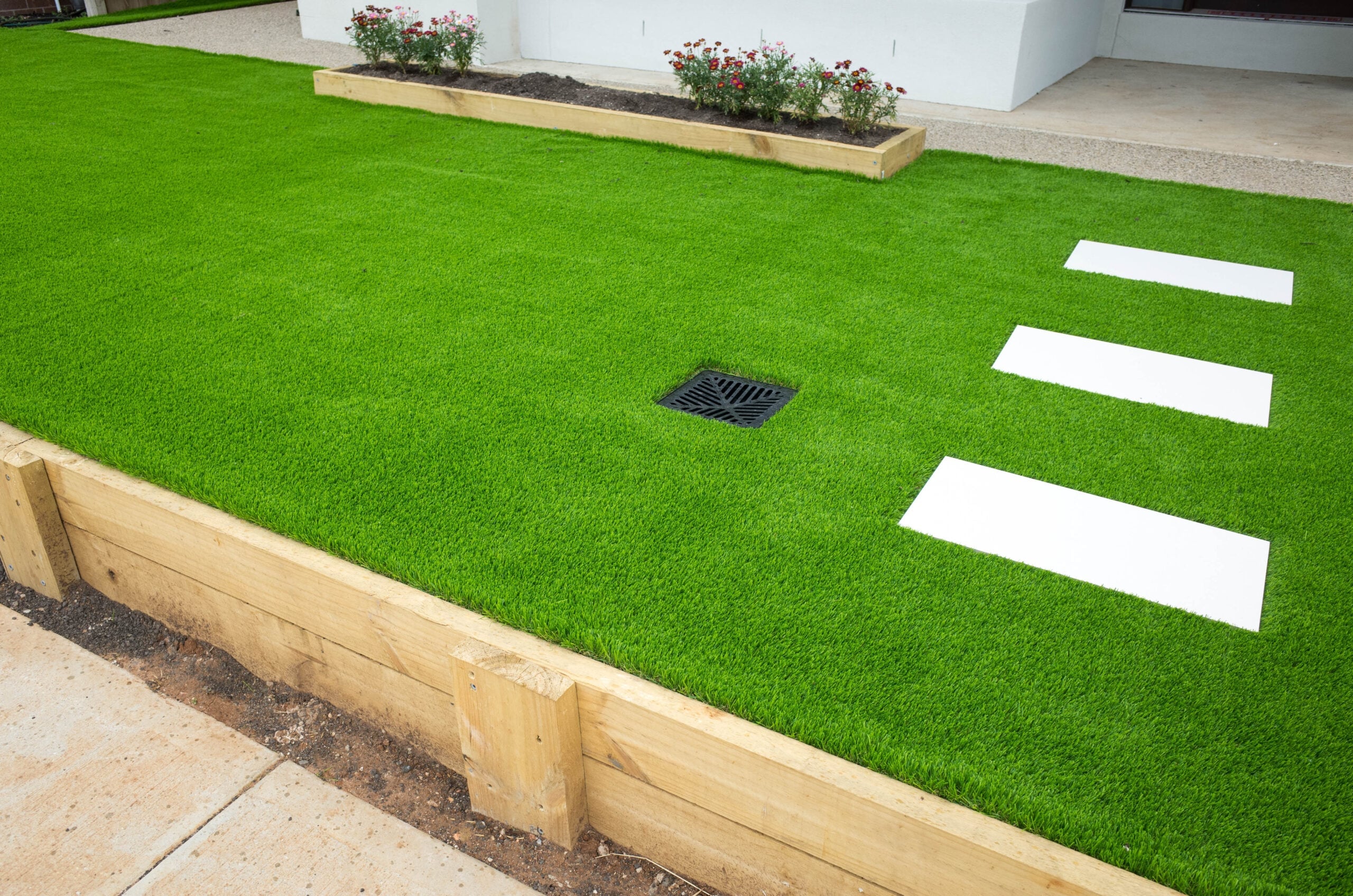 Walking out to a patchy, muddy lawn after a rainy Pacific Northwest season is a frustration many Sumner homeowners know well. Sumner artificial grass offers a lasting solution, lush, consistent ground cover that holds up regardless of rainfall or foot traffic. Whether you manage a residential backyard, a commercial property, or a play area, today’s synthetic grass performs beautifully year round. This page covers what makes quality turf worth the investment, how the installation process works, and what Sumner property owners should know before making a decision.
Call Wolf and Sons Landscaping today before your yard deteriorates further with our Sumner Artificial Grass solutions available now.
Common Lawn Problems That Artificial Turf Installation Solves
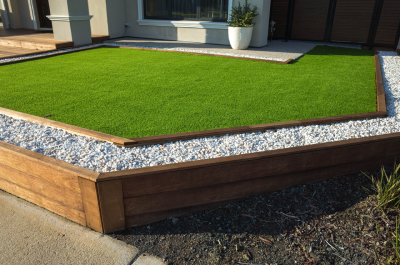 Natural grass in Sumner faces persistent challenges. Heavy seasonal rain saturates soil, creating muddy patches and root rot. High traffic areas near pathways or play zones thin out quickly, leaving bare dirt that spreads with each wet season. Shade from trees and structures prevents even sun exposure, causing uneven growth patterns that no fertilizer routine fully corrects. Artificial turf installation eliminates these issues at their source, instead of treating symptoms, it replaces the underlying material entirely with a surface engineered for performance.
The severity of lawn problems varies widely. Minor thinning might frustrate a homeowner aesthetically, while a completely failed lawn on a commercial property signals real liability concerns, uneven surfaces create trip hazards. Synthetic grass handles both ends of that spectrum.
Understanding the Artificial Turf Installation Process
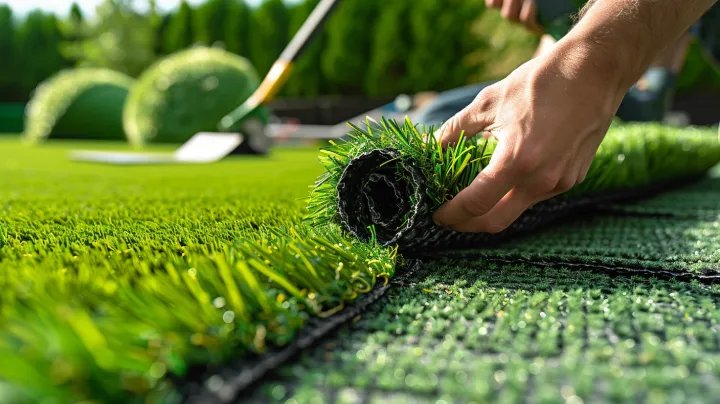 Getting artificial grass in Sumner installed correctly starts well before the first turf roll is laid. Site preparation is the most critical phase. Installers remove existing vegetation, grade the soil for proper drainage, and compact an aggregate base layer. A weed barrier membrane is typically placed before the turf is positioned and secured. Poor base preparation is the leading cause of premature turf failure, bubbling, shifting, and drainage problems trace back to this stage almost every time.
Once the base is set, the turf is cut to fit the specific dimensions of the space, seams are carefully joined using adhesive and joining tape, and infill material, usually silica sand, crumb rubber, or organic options, is brushed evenly into the blades.
Seam placement deserves particular attention during installation. Poorly positioned seams that run perpendicular to the primary viewing angle or that fall in high traffic zones become visible over time and can separate under repeated stress.
Why Sumner Properties Benefit from Synthetic Grass Year Round
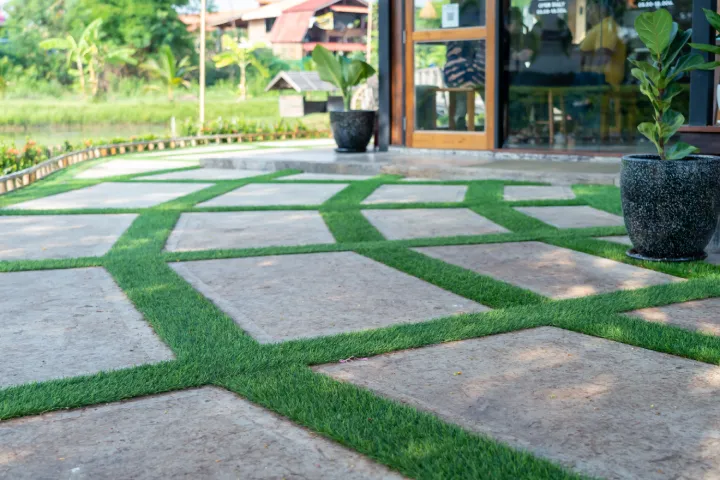 Sumner sits in the Puyallup River Valley, a region known for fertile soil but also for persistent wet weather from late autumn through spring. Natural lawns in this climate demand constant maintenance, aerating, overseeding, dethatching, and mowing through seasons that rarely offer ideal conditions. Sumner artificial grass sidesteps this cycle entirely. Once installed, it requires only occasional rinsing and light brushing to maintain appearance. Water usage drops significantly, and the need for fertilizers, pesticides, and lawn equipment disappears. For families with children or pets, that chemical free environment is a meaningful benefit.
Beyond eliminating routine maintenance, synthetic grass keeps its appearance consistent across every season. Natural lawns go dormant, yellow, or thin during winter months, reducing curb appeal precisely when properties are most visible against bare surroundings.
Maintenance Expectations After Installation
One of the most common misconceptions about artificial turf installation is that it requires zero upkeep. While the workload is dramatically lower than natural grass, a small amount of regular attention keeps turf performing and looking its best. Rinsing the surface periodically removes dust, pollen, and light debris.
Call Wolf and Sons Landscaping today to discover how synthetic turf can transform your outdoor space beautifully.
Infill material can compact or shift over time in heavily used areas. Occasional cross brushing with a stiff bristled broom or a power broom redistributes infill evenly and keeps blades standing upright, which preserves both the appearance and the cushioning function of the surface.
What to Confirm Before Committing to an Installation
Before scheduling artificial turf installation, Sumner property owners should evaluate a few key factors. First, confirm the drainage capacity of your existing site. Flat areas with clay heavy soil may require additional drainage infrastructure to prevent standing water beneath the turf. You should also assess the amount of direct sunlight the area receives, as this can affect surface temperature and the type of artificial grass fiber best suited for the space. Consider how the area will be used, whether for pets, children’s play, or purely decorative landscaping, since different applications call for different pile heights, blade shapes, and infill materials. It is also worth measuring the installation area carefully, including any irregular edges or obstacles like garden beds and pathways, so that material estimates are as accurate as possible before work begins.
Choosing the Right Synthetic Grass for Long Term Value
Not every turf product performs equally across all applications. Landscape grade synthetic grass prioritizes a natural look for front yards and garden borders. Pet turf uses antimicrobial backing and increased drainage holes to manage waste efficiently. Sports and activity turf is engineered for durability under repeated, high impact use.
Beyond the intended application, several construction details influence how well artificial grass holds up over time. Pile height affects both appearance and function, shorter fibers tend to suit high traffic zones, while longer blades create a lusher, more realistic look in decorative areas. Stitch rate, which refers to how densely the fibers are woven into the backing, directly impacts resilience and how well the turf retains its shape after foot traffic. The backing material itself also matters, as a sturdy, permeable base layer supports proper drainage and helps the surface stay firmly in place through seasonal temperature changes common in the Sumner area.
Questions and Answers
How long does artificial grass last in Sumner‘s wet climate?
Quality artificial turf typically lasts 15 to 20 years with proper installation and routine maintenance. UV stabilized fibers and adequate drainage systems help turf perform well through Sumner 's rainy seasons without degrading prematurely.
Is synthetic grass safe for dogs and kids in Sumner?
Synthetic grass designed for residential use is generally non toxic and lead free. Pet specific turf includes antimicrobial backing and enhanced drainage to manage waste hygienically, making it a practical choice for Sumner households with children or dogs.
Does professional grass in Sumner get too hot in summer?
Turf surfaces can warm up in direct sunlight. However, Sumner 's mild summer temperatures reduce this concern significantly compared to hotter inland regions.
How much does artificial turf installation in Sumner typically cost?
Costs vary based on area size, turf grade, and site preparation requirements. Pricing generally ranges from several dollars per square foot for materials to higher totals including labor.
Will professional grass in Sumner drain properly during heavy rain?
Yes, when installed with a correctly graded aggregate base and proper drainage infrastructure. Most quality artificial turf products feature perforated backing that allows water to pass through efficiently, preventing pooling on Sumner 's often saturated ground.
Call Wolf and Sons Landscaping today to easily schedule your next available synthetic turf installation appointment with trusted professionals.