Renton Artificial Grass
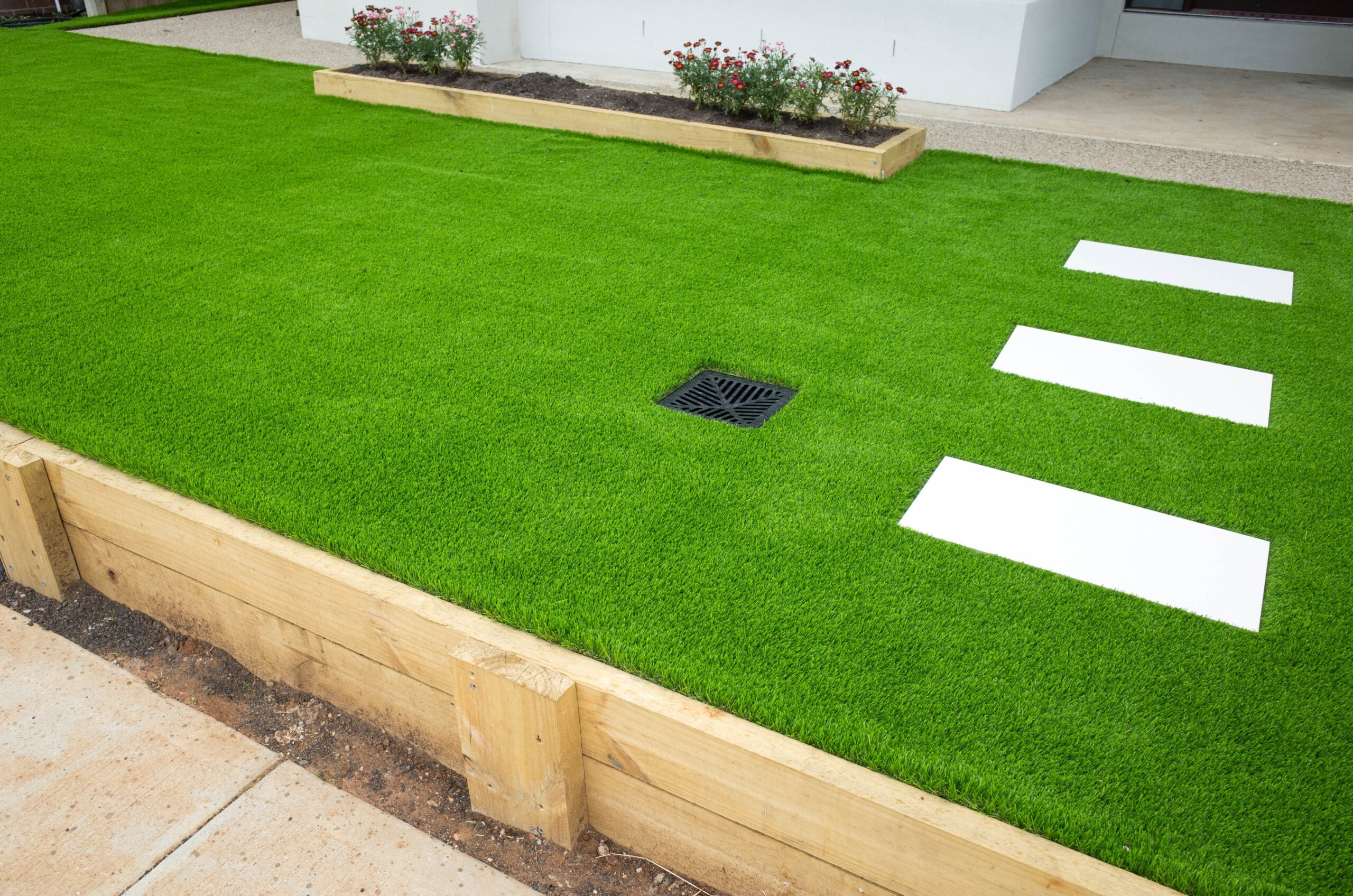 Muddy patches and patchy brown turf are often the first things homeowners notice when Pacific Northwest rain takes its toll on a natural lawn. Renton artificial grass offers a practical alternative that stays green and functional through wet winters and dry summers alike. Whether you manage a residential backyard, a commercial courtyard, or a pet area, synthetic grass eliminates the unpredictable maintenance cycle that comes with natural sod. Professionally installed artificial turf delivers consistent curb appeal without the recurring cost of mowing, fertilizing, or reseeding.
Call Wolf and Sons Landscaping today before your yard deteriorates further with expert Renton Artificial Grass solutions.
What Sets Quality Artificial Turf Installation Apart
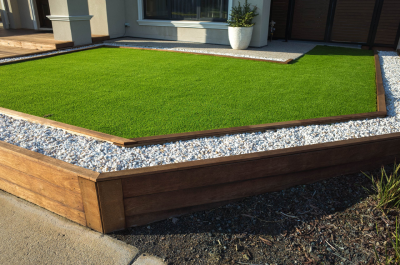 Not every turf product performs the same way over time. High grade artificial turf installation begins with selecting the right pile height, fiber shape, and infill material for the intended use. A play area for children calls for a softer, shock absorbent system, while a commercial entrance needs a denser, traffic resistant product. Knowing these distinctions before purchase prevents costly replacements within a few seasons.
Proper drainage engineering is equally important. A well designed base layer, typically crushed aggregate compacted to the correct depth, channels water away efficiently, preventing pooling and odor buildup. Skipping this step is one of the most common reasons DIY turf installations fail prematurely.
How the Installation Process Actually Works
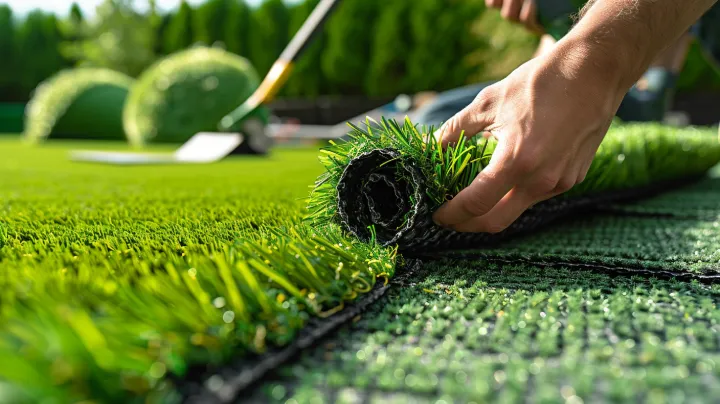 Understanding the steps involved helps property owners set realistic timelines and ask better questions. The process typically starts with measuring the project area and removing existing vegetation or hardscape. Edging is secured along borders to prevent turf from shifting. The sub base is then graded for proper slope before the turf is rolled out, trimmed to fit, and seamed where necessary.
Infill, whether silica sand, crumb rubber, or organic options, is spread evenly and brushed into the fibers to support blade upright positioning and add weight stability. A final power broom pass lifts the blades and produces the finished, natural looking surface.
Seaming is one of the most skill dependent steps in the entire process. Poorly executed seams become visible over time as fibers compress and edges separate. Experienced installers align grain direction across adjoining panels and use appropriate adhesive or fastening methods suited to the base material beneath.
Why Renton Properties Benefit from Synthetic Grass
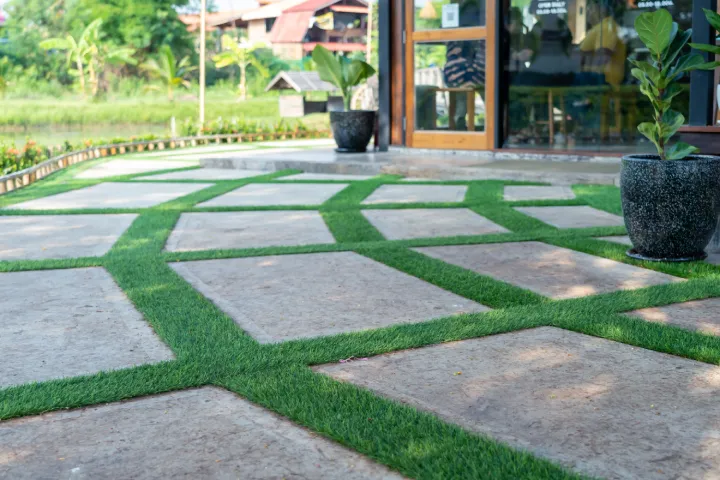 Renton sits between Lake Washington and the Cascade foothills, giving the city a climate that swings between heavy winter rainfall and warm, dry summers. That combination stresses natural lawns hard, soggy roots in January, scorched blades in August. Synthetic grass sidesteps both extremes. Its UV stabilized fibers resist fading during sunny stretches, while the permeable backing handles rainfall without waterlogging. Hillside yards and sloped lots common throughout Renton’s neighborhoods also benefit from turf’s erosion resistant surface, which holds firm where natural grass struggles to establish roots.
Preparing Your Yard Before Turf Goes Down
Adequate site preparation determines how long an installation lasts and how good it looks year after year. Begin by identifying irrigation lines, utility markings, and drainage paths before any excavation takes place.
Call Wolf and Sons Landscaping to discover how synthetic turf can save you time, money, and maintenance effort.
Weed barrier fabric laid over the compacted base adds an extra layer of long term protection. Without it, aggressive weeds can eventually push through seams or perimeter edges.
After removing existing sod and organic material, the exposed soil is typically graded to encourage water to flow away from structures and toward designated drainage points. In Renton, where rainfall is frequent, this step is especially important for preventing pooling beneath the turf surface. A crushed aggregate base, usually decomposed granite or crushed rock, is then spread and compacted in layers to create a firm, level foundation. Proper compaction prevents the surface from shifting, developing soft spots, or showing uneven seams over time. The depth of the base layer may vary depending on the intended use of the space, whether it is a backyard lawn, a play area, or a pet zone.
Choosing the Right Artificial Grass Product for Your Space
Product selection should match the specific function of the space, not just the look. Pet owners in Renton frequently choose turf blends with antimicrobial infill and reinforced drainage holes to manage odors effectively. Sports and recreation areas benefit from longer pile heights that cushion impact. For front lawns and decorative landscaping, a shorter, denser pile with a natural color variation, typically a mix of green shades with brown thatch fibers woven throughout, creates a more realistic appearance from the street. Rooftop patios and balconies call for lightweight backing materials that reduce structural load while still providing adequate drainage. Understanding the differences in blade shape, such as flat, C shaped, or W shaped fibers, helps determine how well a product will spring back after foot traffic and retain its upright appearance over time.
Caring for Your Synthetic Grass Through Every Season
One of the most appealing aspects of synthetic grass is how little ongoing effort it requires compared to natural sod. That said, a basic seasonal routine keeps the surface looking its best and extends its functional life.
Infill can settle or shift in high traffic zones over time. Redistributing it with a brush or adding a small amount of fresh infill to worn areas restores cushioning and keeps blades standing upright.
In autumn, fallen leaves and organic debris should be cleared regularly, as decomposing matter can encourage mold or algae growth if left to sit on the surface. A leaf blower, stiff bristled broom, or plastic rake works well without damaging the fibers. During winter months in the Renton area, light snow can simply be left to melt naturally, though it can also be gently removed with a plastic shovel, avoiding metal tools that may snag or tear the turf backing. In spring and summer, rinsing the lawn periodically with a garden hose removes dust, pollen, and pet waste residue, keeping the surface fresh and odor free. Brushing the blades against their natural grain a few times per year also helps prevent matting and keeps the lawn looking lush and full throughout
Questions and Answers
How long does professional grass last in Renton‘s wet climate?
Quality artificial grass with proper drainage typically lasts 15 to 20 years in Renton. UV stabilized fibers and permeable backing handle rainfall effectively, preventing the degradation that poor drainage or low grade products cause.
Is synthetic grass in Renton safe for kids and pets?
Synthetic grass installed with non toxic infill materials is considered safe for children and pets. Many homeowners choose antimicrobial or organic infill options specifically to reduce odors and maintain a cleaner surface for animals.
What does artificial turf installation cost in Renton?
Costs vary based on square footage, product grade, and site preparation requirements. Requesting an on site estimate gives the most accurate figure, since sloped terrain or complex edging in Renton can affect total project pricing.
Can Renton professional grass be installed on a slope?
Yes. Sloped yards are common in Renton and are manageable with proper base grading and secure perimeter anchoring. A correctly engineered drainage slope actually improves water runoff performance on hillside installations.
How do I maintain professional grass after installation?
Maintenance is minimal. Rinse the surface periodically to remove debris and refresh infill. Brush fibers upright a few times per year.
Call Wolf and Sons Landscaping today to effortlessly schedule your next synthetic turf consultation with a trusted local team.