North Tacoma Artificial Grass
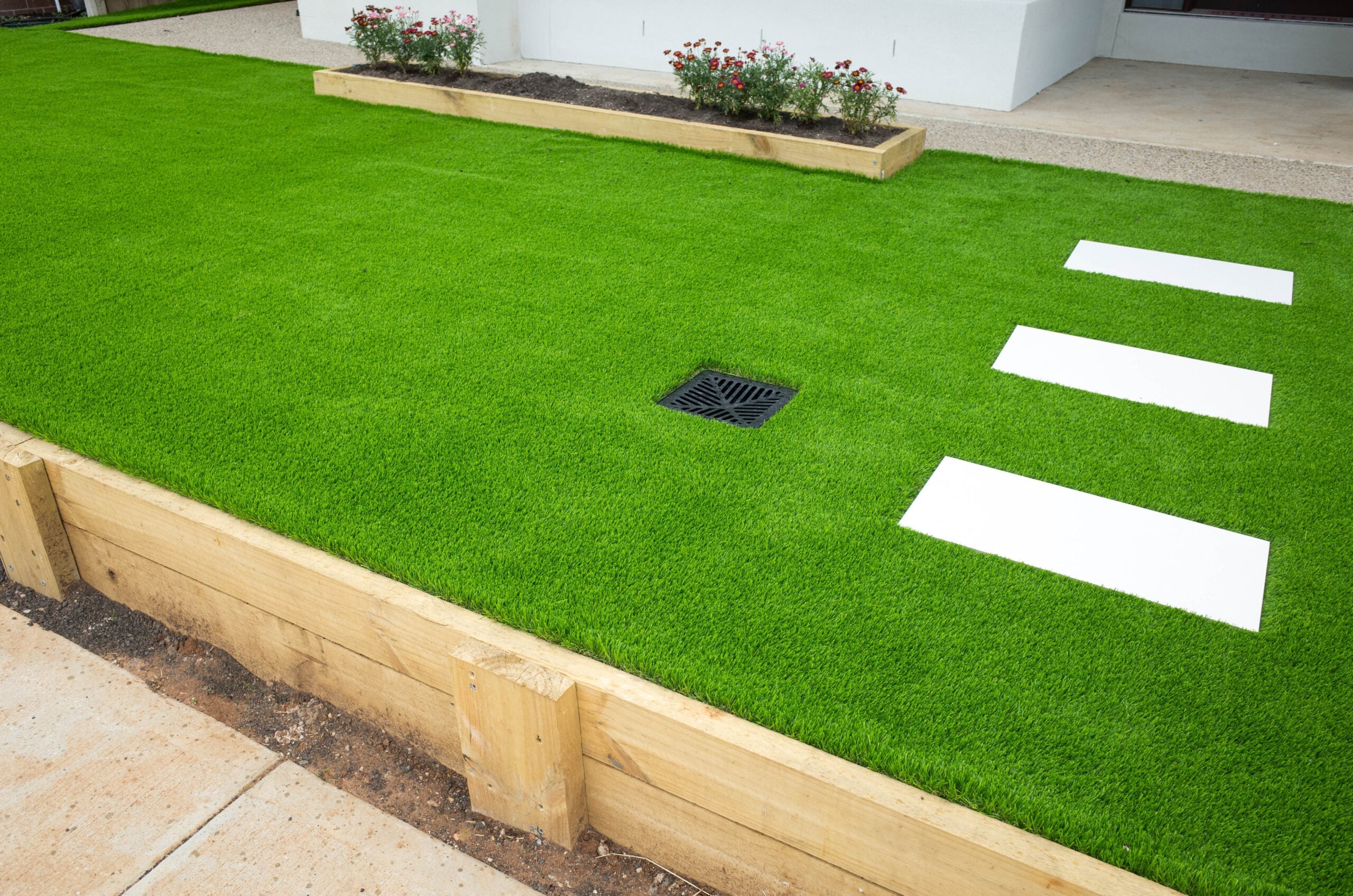 Homeowners and property managers throughout North Tacoma are increasingly turning to artificial grass as a practical, year round solution for lawns that struggle under Pacific Northwest rainfall and heavy foot traffic. Whether a front yard has turned to mud, a backyard needs a pet safe surface, or a commercial property demands low maintenance curb appeal, synthetic grass addresses these challenges without ongoing watering, mowing, or fertilizing. The result is a consistently green, functional outdoor space that holds up through every season.
Call Wolf and Sons Landscaping today before your North Tacoma Artificial Grass installation gets delayed another season.
What Drives North Tacoma Residents to Replace Natural Lawns
 Persistent moisture and shade create conditions where natural turf thins out, develops bare patches, and becomes a muddy liability by mid autumn. Artificial turf installation eliminates that cycle entirely. Instead of reseeding every spring or fighting compaction from kids and pets, homeowners get a stable, draining surface that looks intentional rather than neglected. The shift from natural to synthetic grass is often triggered by one wet season too many, particularly in North Tacoma neighborhoods where mature tree canopy blocks sunlight needed for healthy grass growth.
Pet owners face a separate but equally frustrating problem. Dogs tend to dig, wear paths, and leave yellow burn spots that natural turf cannot recover from quickly. Artificial grass resists digging, drains pet waste efficiently with proper infill, and stays odor neutral when maintained correctly.
How the Selection and Installation Process Actually Works
 Choosing the right product matters as much as the installation itself. Artificial turf products vary in pile height, blade shape, infill type, and drainage rate. A shorter pile suits high traffic areas and putting greens, while longer, softer blades work better for residential lawns where aesthetics take priority. Understanding which product fits the intended use prevents buyers from selecting something that looks great in a showroom but underperforms outdoors.
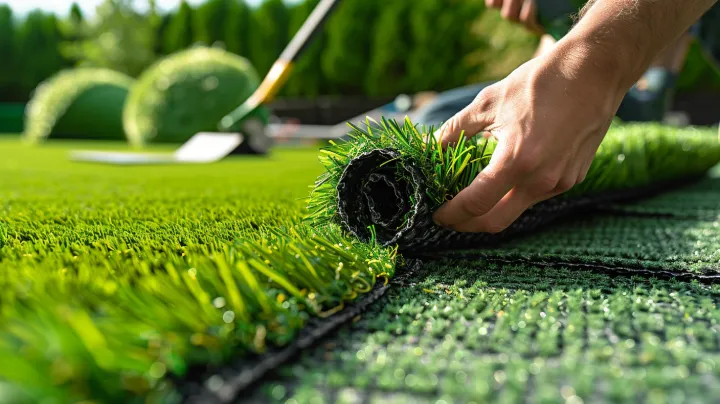
Installation begins with removing existing vegetation and excavating the base layer to allow proper drainage. A compacted aggregate base is then laid and leveled before the turf is rolled out, cut to fit, and secured along edges.
Edge finishing is another detail that separates quality installations from rushed ones. Bender board, nailing strips, or concrete borders keep turf edges locked in place and prevent lifting over time.
Why North Tacoma’s Climate Makes This Upgrade Worth Considering
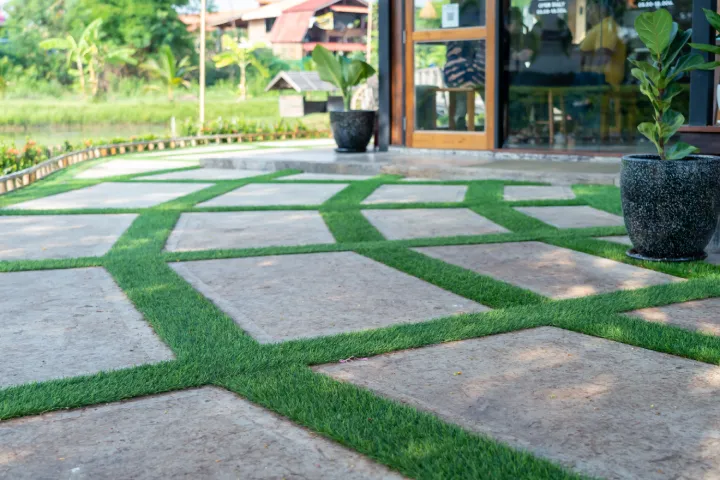 The western Washington climate delivers roughly 38 inches of annual rainfall, with most of it concentrated between October and April. Natural lawns in North Tacoma spend nearly half the year in a wet, low light state that discourages healthy growth. Synthetic grass performs consistently regardless of rainfall totals. Its perforated backing allows water to pass through at rates that meet or exceed natural soil absorption, keeping the surface firm and usable even after prolonged rain events common to this region. Beyond drainage, the region’s overcast winters limit the sunlight that natural turf needs to recover from foot traffic and seasonal stress. Compaction, bare patches, and persistent mud are common results. Artificial grass blades are engineered to spring back
Surface Preparation and Long Term Safety Considerations
A properly graded and compacted base is the foundation that determines how long artificial turf installation holds up. Without adequate drainage engineering beneath the turf layer, water can accumulate, cause the base to shift, and create uneven surfaces that become tripping hazards.
Slope and grade also influence how well a finished surface performs. Even a slight, deliberate pitch away from structures directs water toward intended drainage points and prevents it from pooling near foundations or fences.
The base material itself typically consists of crushed aggregate compacted in layers, which provides both structural stability and a permeable path for rainwater to pass through quickly. In North Tacoma, where rainfall is frequent and soils can retain moisture, this layered approach is especially important for preventing the kind of soft spots that develop when water has nowhere to go. A weed barrier fabric is usually installed between the native soil and the aggregate base to stop organic growth from pushing upward through the turf over time, which can distort the surface and compromise the infill distribution that keeps blades standing upright and cushions foot traffic.
Applications Beyond the Backyard Lawn
Artificial grass serves a wider range of applications than many property owners initially consider. Rooftop decks, side yards, dog runs, playground borders, putting greens, and commercial entryways all benefit from a surface that requires no irrigation infrastructure and no routine maintenance schedule.
Narrow side yards present a particularly practical use case. These spaces are often too shaded and confined for natural grass to thrive, yet they still collect foot traffic and need a clean, finished appearance. Artificial turf can be cut and shaped to fit irregular dimensions, allowing it to fill awkward strips and corners that would otherwise become muddy or bare. Dog runs benefit from synthetic surfaces because the blades resist digging, and the backing materials are typically designed to allow liquids to drain through quickly, keeping the area cleaner between uses. Rooftop decks gain a softer, more comfortable surface underfoot compared to concrete or composite decking, and the material can be installed directly over a flat membrane without adding significant structural weight. Playground borders and fall zones also use artificial grass to create a consistent, cushioned perimeter around equipment where natural turf tends to wear away fastest.
Questions and Answers
How long does artificial grass last in North Tacoma‘s wet climate?
Quality artificial turf installed over a properly compacted base typically lasts 15 to 20 years in North Tacoma. UV stabilized fibers and effective drainage design are the key factors that prevent premature deterioration in high rainfall environments.
Is synthetic grass safe for pets and children in North Tacoma?
Synthetic grass is generally safe for both pets and children when installed with appropriate infill. Organic or silica based infills are popular pet friendly options.
What does artificial turf installation cost in North Tacoma?
Costs vary based on square footage, product grade, and base preparation requirements. Residential projects in North Tacoma typically range from $8 to $20 per square foot installed.
Does artificial grass get too hot to use in North Tacoma summers?
Synthetic turf can retain more heat than natural grass on sunny days. However, North Tacoma 's moderate summer temperatures reduce this concern significantly.
Do I need a permit for artificial turf installation in North Tacoma?
Most residential professional grass installations in North Tacoma do not require a permit when replacing existing lawn areas. However, projects involving significant grading, drainage changes, or commercial properties may require city approval.
Call Wolf and Sons Landscaping today to easily schedule your next available synthetic turf consultation with trusted local professionals.