Fall City Artificial Grass
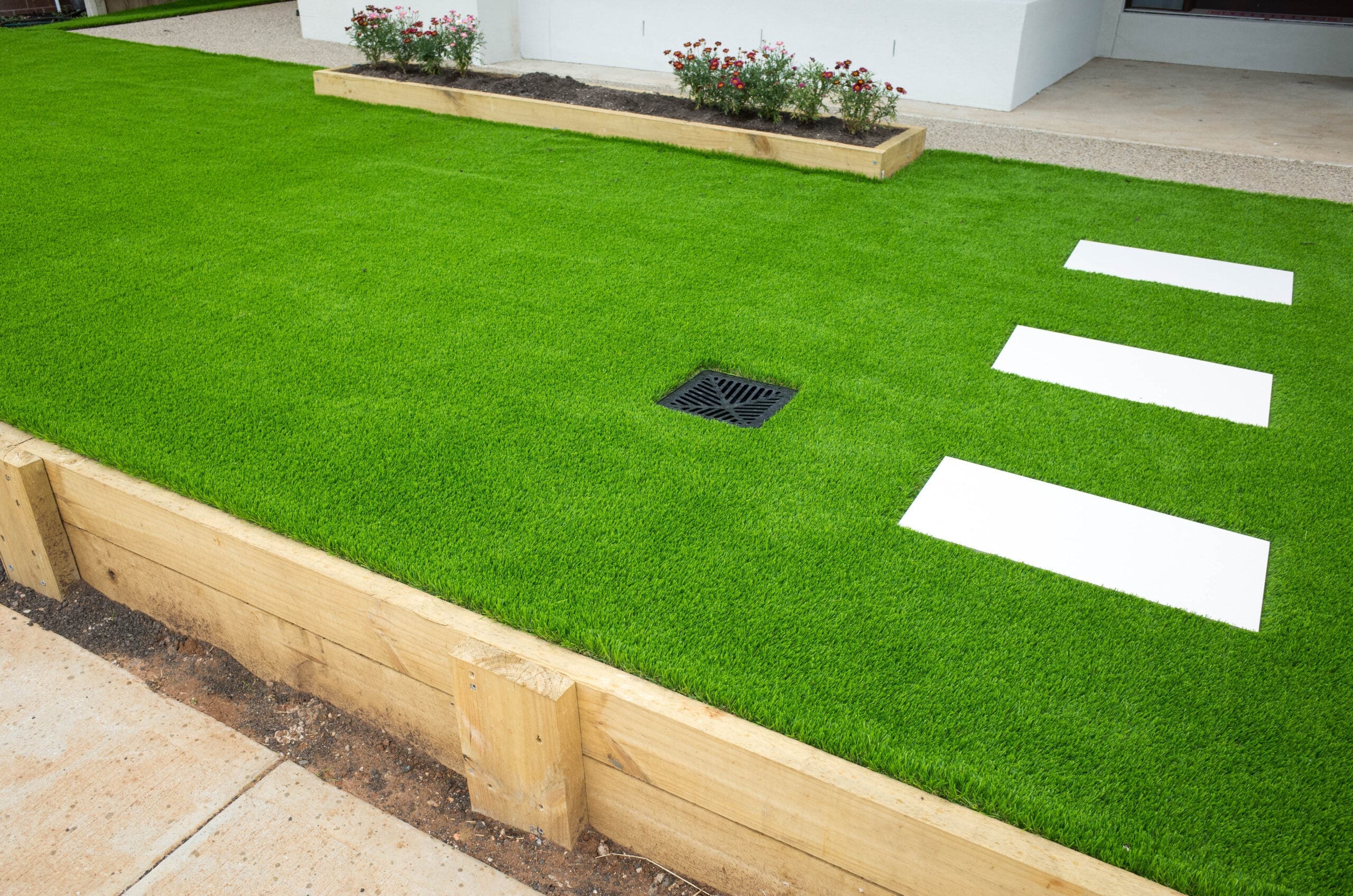 Every season of rain soaked mud, patchy turf, and soggy ground costs Fall City homeowners time, money, and curb appeal. Delaying a switch to artificial grass in Fall City means another year of reseeding, mowing, and watching natural grass struggle under the Pacific Northwest’s persistent wet conditions. EasyTurf Northwest brings professional synthetic grass solutions designed to end that cycle permanently, giving yards, pet areas, and outdoor spaces a clean, durable surface that performs year round without irrigation or chemical treatments.
Call Wolf and Sons Landscaping today before another season passes without Fall City Artificial Grass transforming your yard.
Common Lawn Problems That Artificial Turf Installation Solves
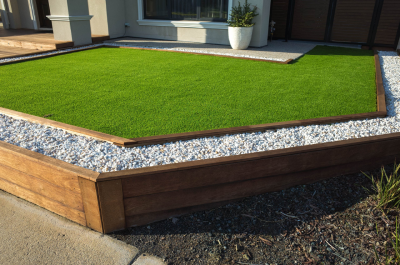 Fall City properties face a specific set of turf challenges. Heavy seasonal rainfall creates compacted, muddy ground that natural grass cannot recover from quickly. Shaded lots under the tree canopy lose grass cover entirely, leaving bare patches that erode with every storm. High traffic areas near play zones and pet runs turn into mud traps within weeks. Artificial turf installation addresses each of these conditions directly by replacing unpredictable organic surfaces with engineered systems built for consistent performance regardless of foot traffic or precipitation levels.
Drainage engineering is central to every quality installation. Premium synthetic grass systems use perforated backing and crushed aggregate base layers that channel water downward at rates natural soil cannot match. That means no standing puddles, no muddy paw prints tracked indoors, and no soggy patches after a week of rain.
Root intrusion is another issue that natural lawns in wooded settings face regularly. Tree roots compete aggressively with grass for nutrients and moisture, creating uneven ground and dead zones that are difficult to correct with overseeding alone.
What the Installation Process Looks Like from Start to Finish
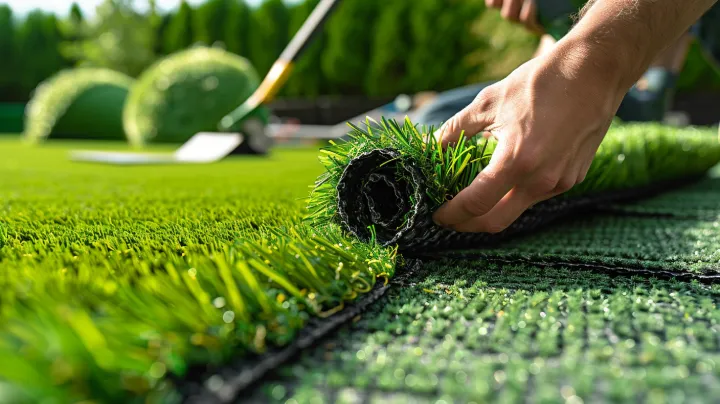 Understanding the process removes uncertainty before work begins. A site assessment comes first, measuring the target area and evaluating existing soil conditions, drainage patterns, and any grading needs. Existing vegetation and debris are removed, and the subgrade is compacted and leveled. A crushed aggregate base is then installed and compacted again to create a stable, permeable foundation. The selected artificial grass product is cut to fit the space precisely, seamed where necessary, and secured along all edges. Infill material is brushed into the fibers to support blade upright position and add cushioning underfoot.
Material selection matters more than most homeowners expect. Blade height, fiber density, color blend, and infill type all affect how finished turf looks and how it performs under specific uses. Pet focused installations benefit from antimicrobial infill and highly permeable backing. Play areas require shock absorbing infill depths that meet safety standards.
Seaming quality is one of the most visible indicators of a professional installation. Where two sections of turf meet, the seam should be virtually invisible once infill is brushed in and fibers are standing upright. Achieving that result requires precise cutting, consistent pile direction alignment, and secure fastening along the seam line.
Why Fall City’s Climate Makes Synthetic Grass A Practical Choice
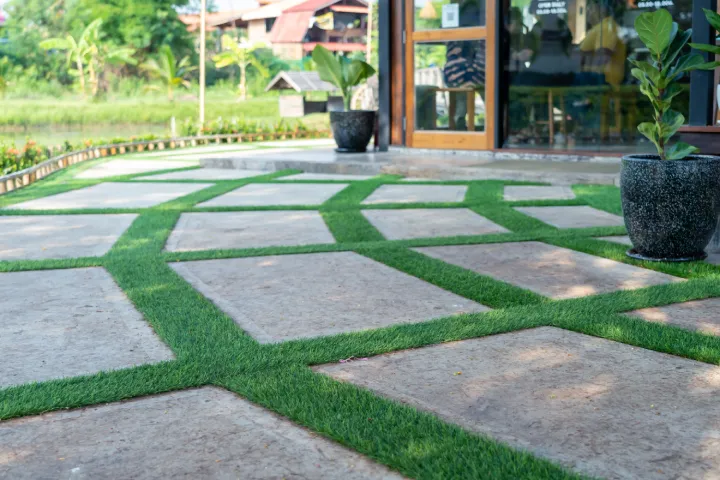 The Snoqualmie Valley’s rainfall totals make it genuinely difficult to maintain natural turf in consistently good condition. Yards along the valley floor deal with seasonal flooding pressure, and properties near wooded areas face year round shade that starves grass of the sunlight it needs. Synthetic grass in Fall City sidesteps every one of those environmental pressures. It does not need sun to stay green, does not drown under heavy rain when properly installed, and does not require the repeated reseeding that wet climates demand from natural lawns. The result is a surface that looks its best in October as reliably as it does in July.
Call Wolf and Sons Landscaping to discover how premium synthetic turf can transform your outdoor space today.
Freeze and thaw cycles during winter months also take a toll on natural turf, heaving soil and creating uneven surfaces that become tripping hazards.
Preparing Your Property for a Smooth Installation
A few straightforward steps help ensure the installation goes efficiently. Clearing the target area of furniture, planters, and stored items before the crew arrives saves time and keeps the project on schedule.
Edging and border transitions deserve attention during the planning conversation as well. Where artificial turf meets concrete, pavers, gravel, or garden beds, the transition method affects both appearance and long term edge stability. Bender board, nailing boards, or tucked edges against hardscaping each suit different situations.
The condition of the existing ground surface also plays an important role in how the finished lawn looks and performs. Natural grass, weeds, and organic debris are typically removed down to the soil layer, which is then graded to encourage proper drainage away from structures. In Fall City, where rainfall is frequent throughout much of the year, a well compacted and correctly sloped base material helps prevent water from pooling beneath the turf backing. A crushed aggregate base layer is commonly used to provide both stability and permeability. Irrigation lines, sprinkler heads, or underground utilities in the target area should be identified and communicated to the installation team ahead of time so adjustments can be made without delays on the day of the project.
Long Term Value and Maintenance Expectations for Fall City Artificial Grass
Once installed, Fall City artificial grass requires minimal upkeep compared to natural turf. Occasional rinsing removes dust and debris, while a stiff brush restores fiber upright position in high traffic zones. Leaves and organic debris from surrounding trees should be removed periodically to prevent decomposition buildup on the surface.
Infill redistribution is the one maintenance task that benefits from periodic attention in heavily used areas. Foot traffic and pet activity gradually shift infill toward the edges of a space, which can reduce cushioning and allow fibers to flatten in the center.
Questions and Answers
How long does artificial grass last in Fall City‘s wet climate?
Quality artificial turf systems are engineered to handle heavy rainfall. With proper drainage base installation, most products perform well for 15 to 20 years in the Pacific Northwest climate without significant degradation.
Is artificial turf installation in Fall City safe for dogs and kids?
Yes. Pet safe infill options and lead free fiber materials are standard in reputable installations. Properly drained synthetic grass eliminates mud and reduces bacteria buildup, making it safer than natural turf for both pets and children.
Will synthetic grass in Fall City drain fast enough after heavy rain?
A correctly installed crushed aggregate base drains water far faster than natural soil. Most quality artificial turf systems drain several inches per hour, keeping the surface usable quickly after even heavy Pacific Northwest rainfall events.
Does Fall City professional grass get too hot to use in summer?
Turf surface temperatures rise in direct sun, but Fall City 's mild summers limit extreme heat buildup. A quick rinse with water cools the surface immediately, restoring comfortable temperatures for bare feet, pets, and children within minutes.
How much does professional grass installation cost in Fall City?
Costs vary based on area size, selected turf product, and base preparation requirements. Requesting a site specific estimate is the most accurate way to understand pricing for your particular Fall City property and intended use.
Call Wolf and Sons Landscaping today to effortlessly schedule your next available synthetic turf consultation with trusted professionals.