Lynnwood Artificial Grass
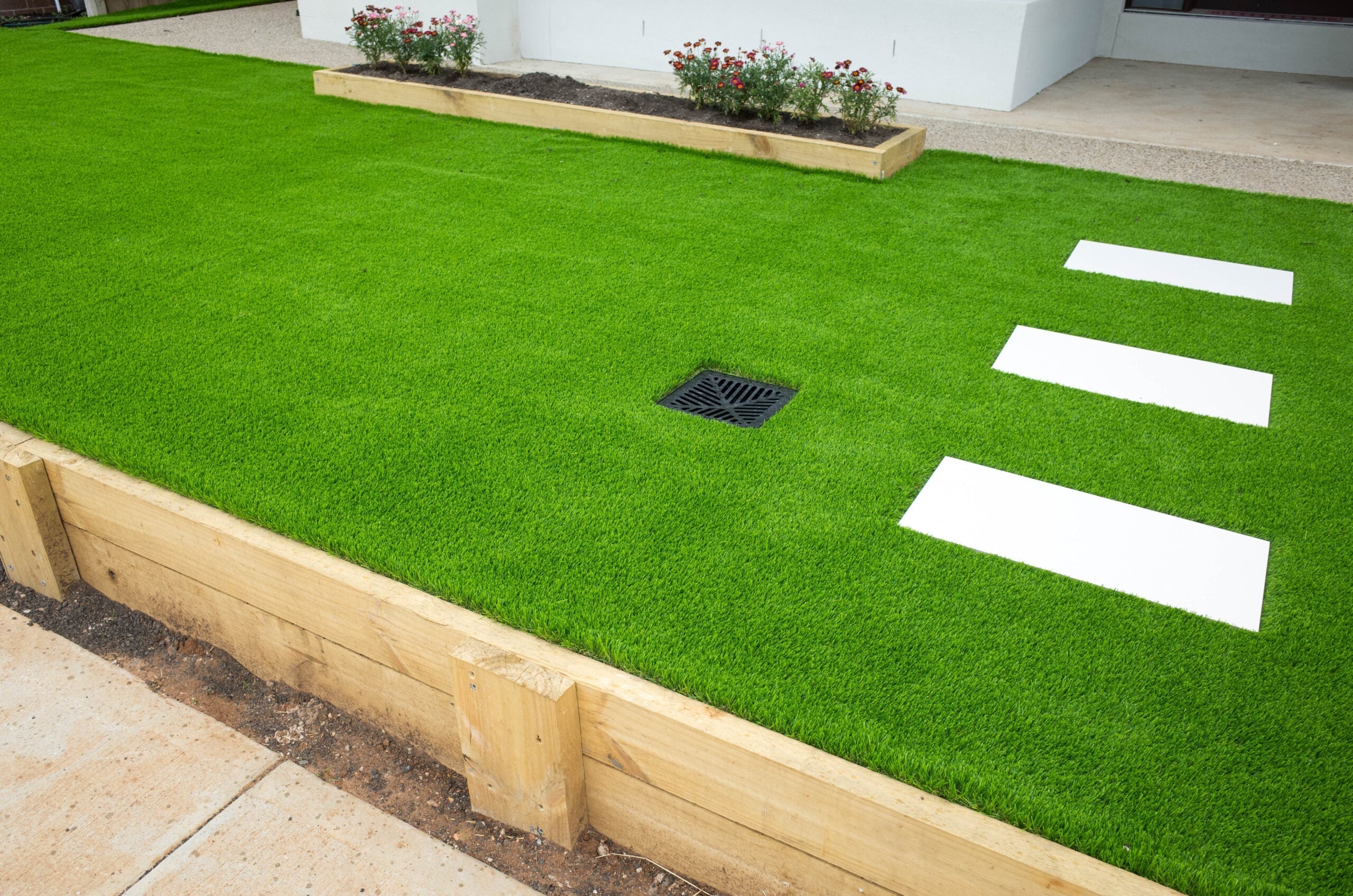 After another soggy Pacific Northwest weekend, stepping outside to find muddy patches, waterlogged soil, and a lawn that refuses to recover is a familiar frustration for Lynnwood homeowners. Rainfall doesn’t slow down, but your outdoor plans shouldn’t have to either. Artificial grass offers a permanent answer to the cycle of reseeding, mowing, and watching natural turf deteriorate season after season. Whether your yard is compact or sprawling, a professionally installed surface transforms it into a clean, functional, year round space.
Call Wolf and Sons Landscaping today before your yard deteriorates further with expert Lynnwood Artificial Grass solutions.
What Makes Natural Lawns Fail, and How Synthetic Turf Solves It
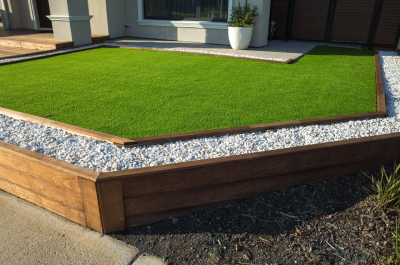 Natural turf struggles for several interconnected reasons: heavy foot traffic compacts the soil, shade from surrounding trees prevents adequate sunlight, and Lynnwood’s consistent rainfall keeps the ground saturated for months. Each of these stressors compounds the others. A synthetic lawn sidesteps the entire chain of problems. It doesn’t require sunlight to stay green, drains efficiently even during high volume rain events, and holds its shape under repeated use.
The severity of these issues varies by yard type. Backyard play zones and dog runs typically show the worst wear, with bare patches appearing within a single season. Front yards face a different challenge, curb appeal suffers when natural grass thins unevenly. Synthetic turf installation in Lynnwood addresses both ends of the spectrum, from moderate cosmetic improvements to full scale lawn replacements that withstand heavy daily use.
Choosing the Right Turf Product and Installation Approach
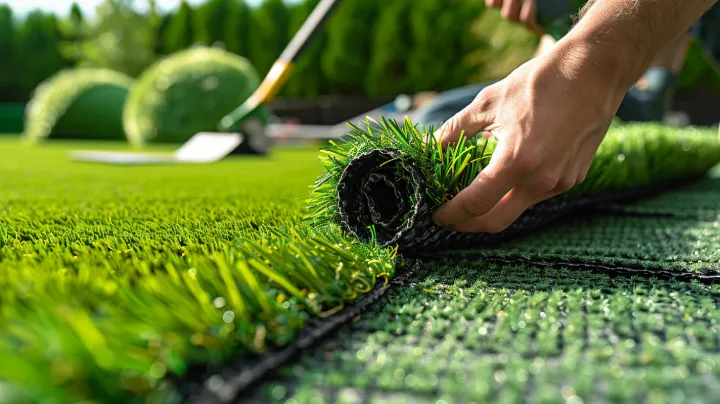 Not every synthetic turf product performs equally. Blade height, density, and infill type all affect how the finished surface looks and feels underfoot. Shorter, denser blades tend to work better for high traffic zones, while longer, softer fibers suit decorative front lawns or relaxation areas. Artificial grass projects benefit from a proper base layer, typically crushed aggregate, that promotes drainage and prevents shifting over time.
The installation process also matters significantly. Ground preparation, including excavation, grading, and weed barrier placement, determines how long the finished surface lasts. Shortcuts in this phase lead to uneven seams, poor drainage, and premature wear. A thorough installation approach protects your investment and ensures the turf lies flat and secure through years of use.
Practical Fit for Lynnwood’s Climate and Outdoor Lifestyle
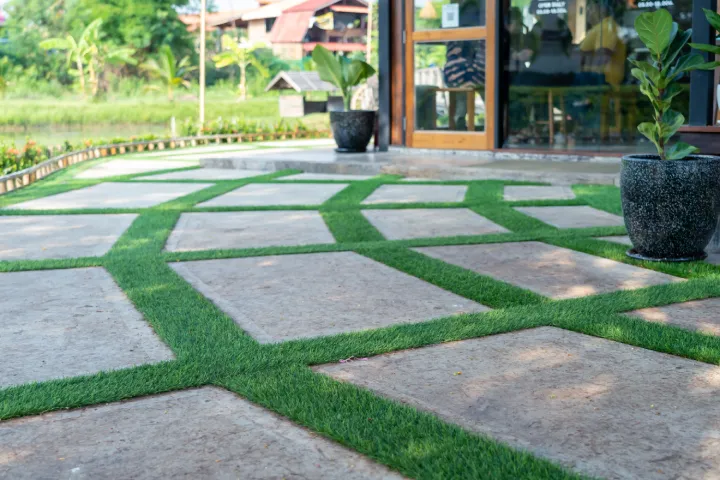 Lynnwood sits in a region where overcast skies and rainfall define much of the calendar year. That climate makes low maintenance outdoor surfaces especially appealing. A quality synthetic lawn stays green and presentable regardless of how much rain falls or how long the clouds linger. It eliminates the seasonal rhythm of fertilizing, aerating, and patching that natural turf demands, freeing up time for the outdoor activities residents actually enjoy. Artificial grass is also designed with drainage in mind, allowing rainwater to pass through the backing rather than pooling on the surface. This means the lawn remains usable shortly after a heavy downpour, which is a practical advantage in the Pacific Northwest. The blades are engineered to resist matting and fading, so the surface
Preparing Your Property Before Installation Begins
A successful turf project starts well before the first roll is laid. Existing vegetation must be removed, and the soil beneath needs to be graded correctly to promote water runoff toward drainage points. If underground irrigation lines are present, they typically need to be capped or removed. Addressing these elements upfront prevents complications once synthetic turf installation in Lynnwood is underway. Property owners who skip this phase often find themselves dealing with drainage problems or surface irregularities months later. Once the native soil is cleared and graded, a compacted aggregate base layer is typically added to create a stable, load bearing foundation. This crushed rock or decomposed granite layer is carefully leveled and compacted using plate compactors to eliminate soft spots that could cause the finished surface to shift or sink over time. A weed barrier fabric is then laid over the base to prevent organic growth from pushing up through the turf backing. Each of these preparatory steps works together to ensure the artificial grass lies flat, drains efficiently, and holds its shape through years of regular foot traffic and seasonal weather changes common to the Pacific Northwest.
Long Term Value and Upkeep of Synthetic Turf
Once installed, artificial grass requires far less attention than a natural lawn. Occasional rinsing to remove debris, periodic brushing to keep fibers upright, and spot cleaning for pet waste are the primary maintenance tasks. Over time, the savings in water bills, lawn care equipment, and professional maintenance services add up considerably. The surface remains visually consistent year round, which means no brown patches in summer and no muddy mess in winter, just a clean, usable outdoor space every day. In a climate like Lynnwood’s, where rainfall is frequent and natural grass can struggle to recover between wet seasons, synthetic turf holds its shape and color without the repeated reseeding or aeration that traditional lawns often demand. The infill material beneath the blades also helps the surface drain efficiently after heavy rain, preventing pooling and keeping the area functional shortly after a storm passes through. Because the fibers are UV stabilized during manufacturing, prolonged exposure to sunlight causes minimal fading, helping the lawn retain a natural looking appearance across many years of regular use.
Questions and Answers
How long does artificial grass last in Lynnwood‘s wet climate?
Quality synthetic turf typically lasts 15 to 20 years. Lynnwood‘s rainfall does not shorten its lifespan because modern turf systems are engineered to drain efficiently and resist moisture related deterioration.
Is synthetic turf installation in Lynnwood safe for children and pets?
Synthetic turf is generally considered safe for both children and pets. Lead free products with appropriate infill materials are widely available, and the surface eliminates mud, pesticides, and fertilizer exposure common with natural lawns.
Does a synthetic lawn in Lynnwood require any watering or fertilizing?
No. A synthetic lawn needs no watering, fertilizing, or mowing. Occasional rinsing for cleanliness and light brushing to maintain blade posture are the only routine care steps required.
How much does synthetic turf installation cost in Lynnwood?
Costs vary depending on yard size, turf product selected, and ground preparation needs. Requesting an on site assessment gives you an accurate quote based on your specific property conditions and goals.
Can synthetic turf in Lynnwood be installed on slopes or uneven ground?
Yes. Proper grading during the base preparation phase levels uneven terrain and ensures stable drainage. Sloped areas can be successfully turfed when excavation and compaction steps are completed correctly before installation.
Call Wolf and Sons Landscaping today to effortlessly schedule your next synthetic turf consultation with a trusted local team.